
This story is part of the WHYY News Climate Desk, bringing you news and solutions for our changing region.
From the Poconos to the Jersey Shore to the mouth of the Delaware Bay, what do you want to know about climate change? What would you like us to cover? Get in touch.
Residents who live near Greenwood, Delaware, have been advised to avoid drinking their tap water as state and federal regulators investigate potential pesticide contamination in the area.
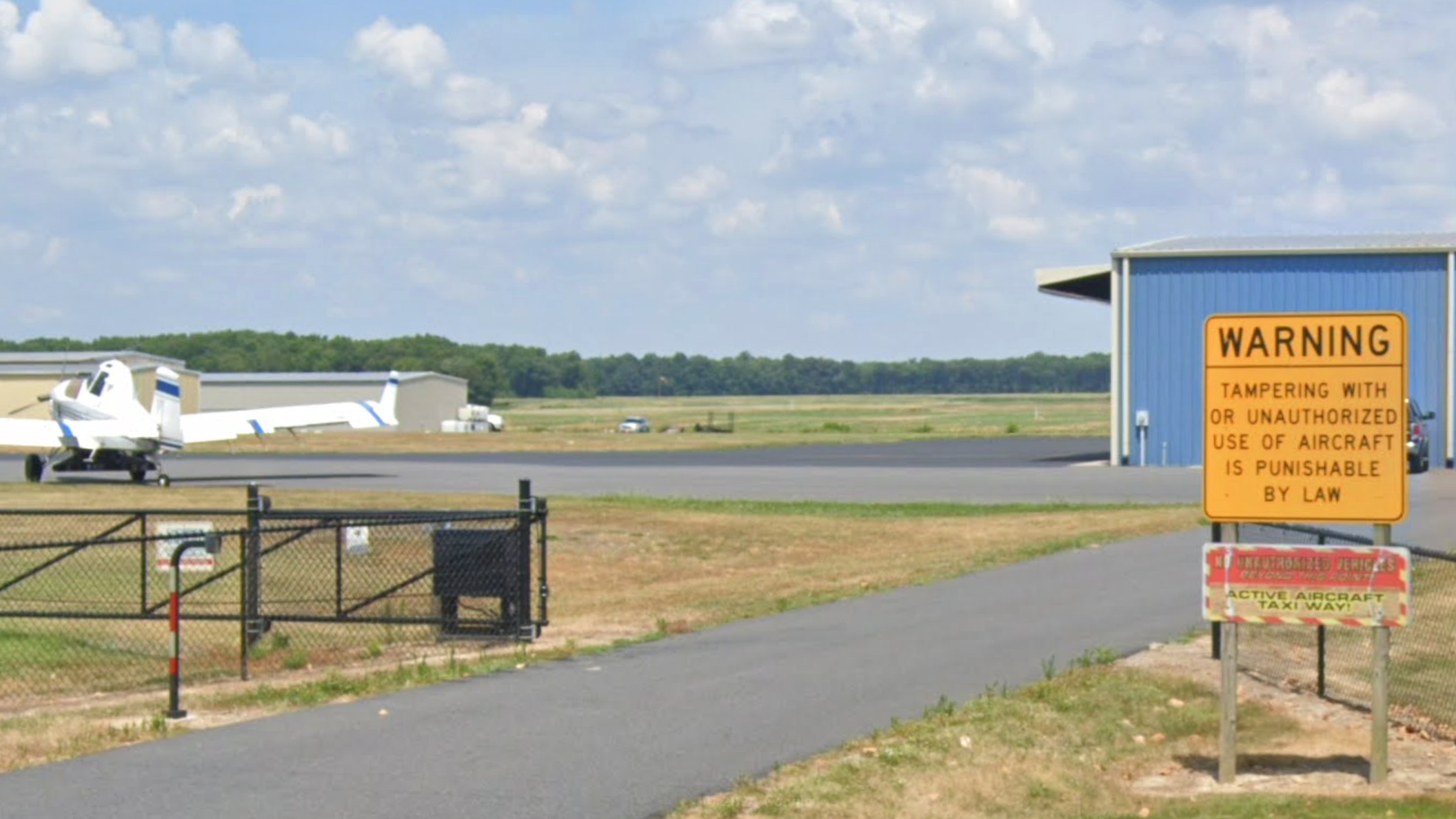
High levels of pesticides were detected in surface water samples collected from a ditch at the privately owned and family-run Chorman Airport, according to environmental and health officials. The toxic pollutants were also detected at two additional locations within 2 miles of the airport.
The Chorman family’s aerial application business, Chorman Spraying, operates out of the airport. The company offers services like crop spraying and fertilizer application.
Multiple environmental and health agencies are investigating whether nearby drinking water supplies are impacted.
“Our focus is on keeping Delawareans safe,” Dr. Harrison Hines, the state’s director of public health, said in a written statement. “Access to safe drinking water is essential, and our priority is to identify any potential risks, make sure appropriate testing is conducted, and help residents understand what steps they may need to take to protect their health.”
Health officials say exposure to pesticides can cause health effects in humans and animals. However, there’s currently no evidence that residents and animals have been harmed.
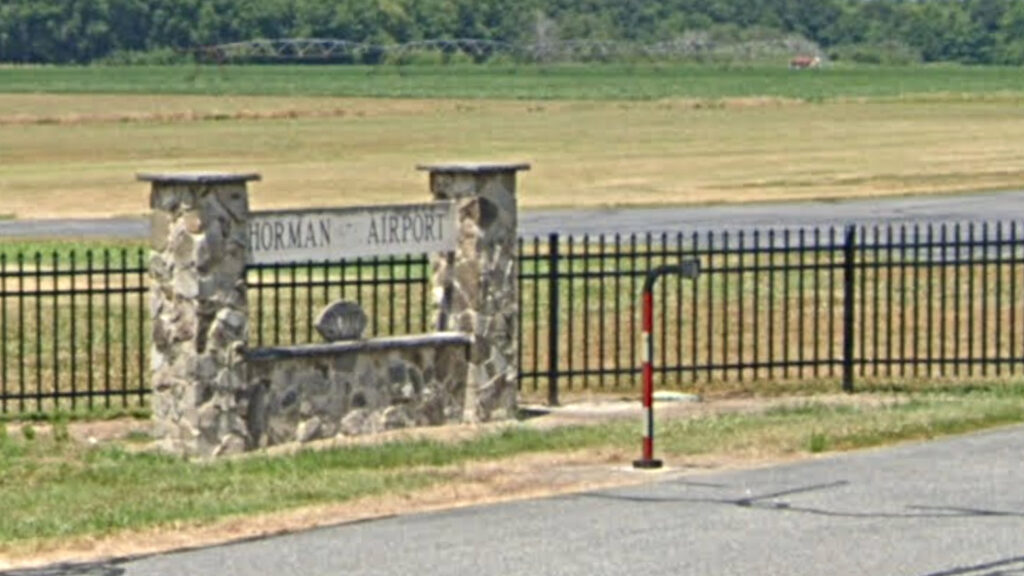
Still, officials advise residents within 5 miles of the airport to take precautions. People with private wells in the area should use bottled water for drinking, cooking, brushing their teeth and preparing infant formula.
Health experts warn that boiling water can increase the concentration of contaminants. However, bathing in tap water is considered to be safe.
It’s estimated that 20% of Delaware residents, and more than half of residents in rural Sussex County, rely on private wells. Many of these communities are not close enough to a municipal water supply. Private wells are not federally or state regulated, which means homeowners are responsible for testing and treating their drinking water.
The closest municipal water source is less than 4 miles from the airport. Officials say public drinking water supplies are less likely to be impacted because they draw from deeper aquifers and are regularly tested for contaminants.


